I still remember the first piece of jewelry I ever ruined. It was my grandmother's gold brooch, and I decided to clean it with toothpaste because someone had told me that was a good idea. The ammonia in toothpaste ate away at the patina on some of the details, and I never heard the end of it. Thirty years later, I still wince thinking about it.
That experience taught me something valuable: good intentions without proper knowledge can cause real damage. Jewelry care isn't complicated, but it does require understanding what you're working with. Different materials respond differently to various cleaning methods. What works beautifully for one piece might ruin another.
This guide will walk you through everything you need to know to keep your jewelry looking its best. Think of it as preventative medicine for your collection—the small amount of time you invest in proper care will save you significant heartache and expense down the road.
General Principles
Before we get into specific materials, let's establish some ground rules that apply across the board.
Remove jewelry before getting hands wet: Chlorine, salt water, and even fresh water can damage or discolor metals over time. Remove jewelry before swimming, showering, washing dishes, or anything else that involves prolonged water exposure.
Apply products before wearing: Lotions, perfumes, hairsprays, and cosmetics can build up on jewelry and dull its appearance. Put your jewelry on after getting fully dressed and doing your beauty routine. This one habit alone will dramatically reduce how often you need to clean things.
Store properly when not wearing: Jewelry stored haphazardly in drawers gets scratched, tangled, and damaged. We will cover storage in detail later, but the short version: each piece should have its own space, ideally in a fabric-lined container.
Put jewelry on last: This connects to the point above, but deserves its own emphasis. Getting dressed means potentially snagging jewelry on clothing. By the time you're adding jewelry, you're done with the rough part of getting ready.
Cleaning by Metal Type
Gold Jewelry
Gold in its pure form (24 karat) doesn't tarnish, but it's too soft for most jewelry purposes. The alloys mixed with gold to make it durable can tarnish, particularly white gold (which contains nickel or palladium) and rose gold (which contains copper).
For everyday gold jewelry, a simple cleaning routine works well:
- Mix a few drops of mild dish soap with warm water
- Soak for 15-30 minutes, especially if the piece has crevices or ornate details
- Gently scrub with a soft-bristled brush (a baby toothbrush works perfectly)
- Rinse thoroughly under running lukewarm water
- Dry completely with a soft, lint-free cloth
For heavier tarnish on white gold, you might occasionally use a jewelry cleaning solution specifically formulated for gold. Avoid anything abrasive—baking soda, toothpaste, or any powder-based cleaners will micro-scratch the surface and eventually dull the finish.
If your white gold jewelry seems to be yellowing, it's probably the rhodium plating wearing thin. This is normal and expected over time. A jeweler can re-plate it economically.
Silver Jewelry
Sterling silver tarnishes because of a chemical reaction with sulfur compounds in the air. It's not a defect—it's just the nature of the material. The good news: tarnish removal is straightforward with the right approach.
For regular silver care, a silver polishing cloth works well for light maintenance. For more significant tarnish, use a silver-specific cleaning solution or dip, following the product instructions carefully. The key with dips is timing: leave silver in too long and you can damage the surface.
An at-home method that works surprisingly well: line a bowl with aluminum foil, add hot water and a tablespoon or two of baking soda, then add your silver pieces. The electrochemical reaction between the aluminum and sulfur转移s the tarnish to the aluminum. This genuinely works, but use it sparingly—it's a treatment, not a regular cleaning method.
Proper storage is crucial for silver. Anti-tarnish strips in your jewelry box can help, as can keeping pieces in individual zip-lock bags with as much air removed as possible.
Platinum
Platinum is remarkably durable and resists tarnish well. Over time, it develops what's called a "patina"—a subtle, satiny finish that many people actually prefer to the original high polish. If you want to maintain a polished look, occasional professional cleaning will restore the shine.
For home care, platinum responds well to the same mild soap and water approach as gold. A soft brush works for getting into details. Platinum is more dense than gold, so it can handle slightly more vigorous cleaning without risk.
Cleaning Gemstones
The cleaning method for gemstone jewelry depends heavily on the specific stone. Some gems are quite delicate; others can handle more robust treatment.
Diamonds
Diamonds are the hardest natural material, so they can handle more than most gems. Soap, water, and a brush work well for regular cleaning. You can also use jewelry cleaning solutions marketed specifically for diamonds.
The one caution: diamond jewelry is often set in pieces with other, more delicate stones or with metals that have limitations. Clean a diamond ring carefully around the setting to avoid loosening the stone.
Corundum (Ruby and Sapphire)
Emeralds
Emeralds require more care because they are relatively brittle and often have internal fractures (that's why they're typically oiled). Warm soapy water is fine; never use steam or ultrasonic cleaners on emeralds. The vibration and heat can cause fracturing or push out the oil.
Emerald jewelry should be re-oiled periodically by a professional if the stone appears to be drying out or looking cloudy. This is a normal part of emerald maintenance, not a sign something is wrong.
Opals
Opals are among the most delicate gems commonly used in jewelry. They have significant water content, which makes them vulnerable to drying out and cracking. Never use steam, ultrasonic cleaners, or harsh chemicals on opals. Avoid prolonged exposure to heat or direct sunlight.
Clean opals with just a soft, damp cloth. For opal doublets or triplets (layered constructions), be especially gentle—liquid can penetrate the layers and cause delamination. Some people store opals in a small container with a damp cotton ball to prevent drying, particularly in dry climates.
Pearls
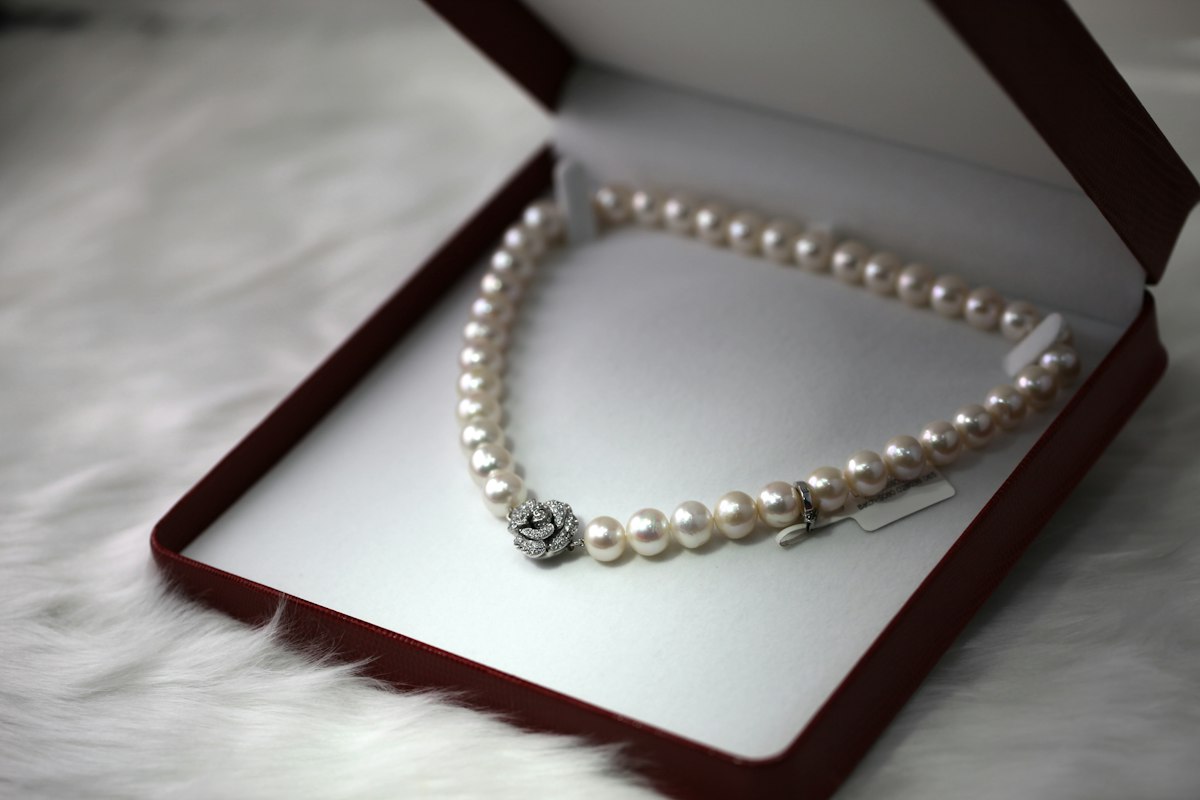
Pearls are organic gems that respond poorly to chemicals, acids, and drying conditions. Always put pearls on last after cosmetics, and wipe them down with a soft cloth after wearing. For deeper cleaning, a barely damp cloth works, but never soak pearls or use any cleaning solutions.
Pearls should be stored separately from other jewelry to prevent scratching. Stringing thread can stretch, weaken, or stain over time—have pearl necklaces restrung periodically, especially if you wear them often.
When to See a Professional
Some situations call for professional help rather than home cleaning:
- Deep-set grime: If your piece has detailed engraving, filigree work, or intricate settings that you can't clean effectively at home, a professional jeweler has ultrasonic cleaners and steam equipment that can reach places brushes cannot.
- Damaged settings: If a stone seems loose, a prong is bent, or there's visible damage to the mounting, don't wait. Take it in before the stone falls out and gets lost.
- Heavy scratching: Metals can be polished to remove light scratches, but this removes material. For significant damage, a professional can assess whether repolishing makes sense or whether the piece needs more extensive restoration.
- Complicated repairs: Anything involving soldering, stone replacement, or structural work should absolutely be left to professionals.
Professional Cleaning
Most reputable jewelers offer cleaning services, often free if you purchased from them. Even if you didn't, a cleaning and inspection is typically inexpensive—often under $50. This gives you the benefit of professional equipment while someone examines the piece for any potential problems.
Consider having valuable pieces professionally cleaned and inspected annually. This is especially important for items you wear frequently: engagement rings, wedding bands, everyday watches. The inspection can catch problems before they become disasters.
Travel Tips
Traveling with jewelry requires extra care, both for security and for preservation.
Never pack valuable jewelry in checked luggage. Keep it in a carry-on bag, preferably in a dedicated jewelry case with individual compartments. A hard-sided case provides better protection than soft pouches.
For travel, bring only what you need. Leave extremely valuable pieces at home in a secure location. If you must travel with important jewelry, consider using a hotel safe rather than carrying it with you.
At the beach or pool, remove all jewelry. Sand, salt water, and sunscreen are particularly damaging to most jewelry materials. I've seen gold chains destroyed by a single afternoon at the beach—sand getting caught in the links and acting like sandpaper.
Common Mistakes to Avoid
- Toothpaste cleaning: Despite what your grandmother might have said, toothpaste is too abrasive for most jewelry. It will micro-scratch metals and soft gems.
- Baking soda on gems: While baking soda works for some household cleaning, avoid using it directly on jewelry. It's mildly abrasive and can damage softer stones or polished metal surfaces.
- Boiling to sterilize: Don't boil jewelry to clean or sterilize it. Extreme heat can damage stones, melt solder, or ruin delicate details.
- Ignoring visible damage: A small problem ignored becomes an expensive problem. If you notice something wrong—a loose stone, a stretched chain, a cracked gem—address it promptly.
- Wearing in inappropriate situations: The gym, the garden, the beach, the pool—these are places where jewelry faces serious abuse. Save your good pieces for appropriate occasions.
Building a Care Routine
The best approach to jewelry care is a regular, gentle routine rather than occasional aggressive cleaning. A few minutes after wearing to wipe down pieces, combined with monthly deeper cleaning for frequently worn items, will keep most jewelry looking excellent for years.
For items you wear daily—a wedding band, an engagement ring, everyday earrings—consider a quick daily habit. A soft cloth in your jewelry dish for a quick wipe-down before bed makes a difference. Combined with a weekly soap-and-water cleaning for wearable pieces, this prevents the buildup that makes deep cleaning necessary.
Our Jewelry Care Guide tool can help you understand the specific needs of different jewelry types and build a maintenance schedule that works for your collection.
Taking good care of your jewelry isn't about being precious or fussy—it's about respecting the investment you've made, whether that investment is financial or sentimental. A piece of well-maintained jewelry can be passed down through generations. A neglected piece might not survive to become an heirloom. The choice is yours, and now you have the knowledge to make the right one.