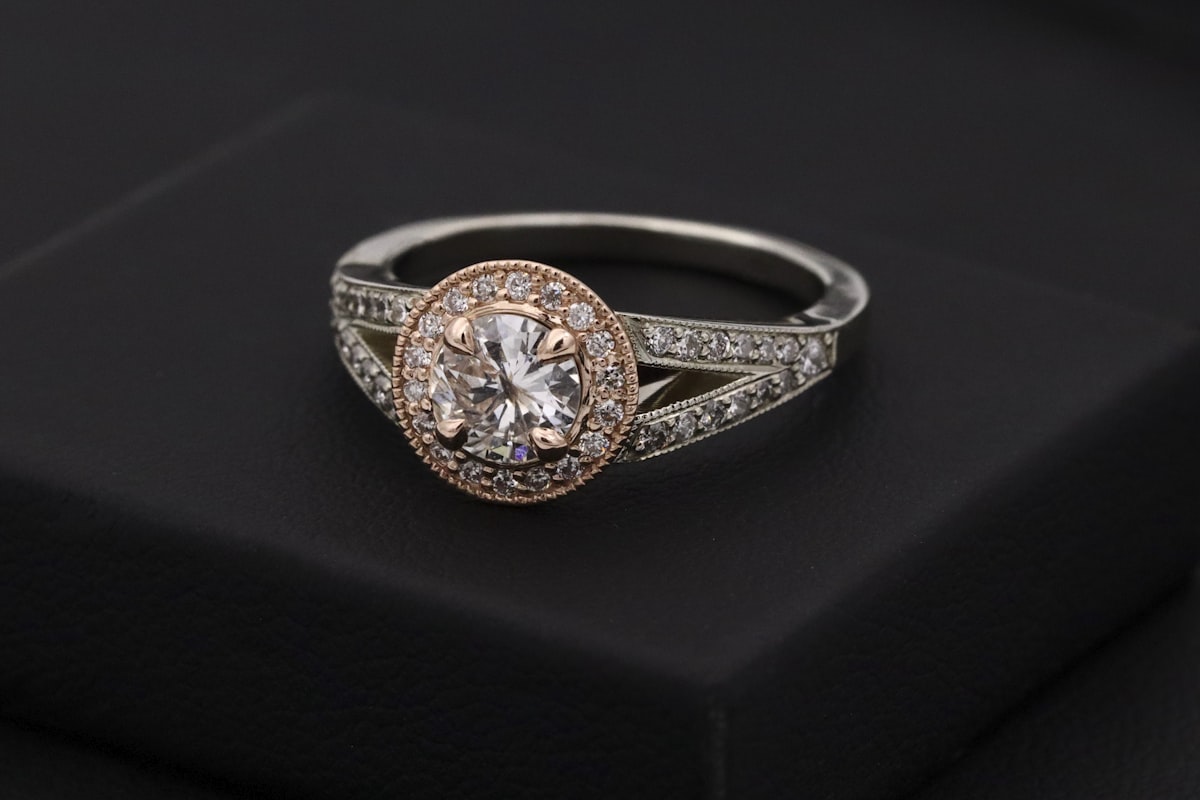
Buying a diamond is one of those experiences that can feel simultaneously exciting and terrifying. You're spending real money—often thousands of dollars—on something you might not fully understand. I've been on both sides of the counter: as a grader evaluating diamonds for certification and as someone helping friends navigate their first big purchase. Let me walk you through what actually matters.
Understanding the 4 Cs
Every diamond conversation starts with the 4 Cs: Carat, Cut, Color, and Clarity. Jewelers love to discuss them because they sound technical and impressive. The truth? Two of these matter enormously, one matters moderately, and one is often misunderstood.
Cut: The Most Important C
Cut is the only factor that's entirely human-controlled, and it matters more than anything else. A poorly cut diamond with perfect color and clarity will look dull and lifeless. A well-cut diamond with moderate other grades can absolutely take your breath away.
When gemologists talk about cut, they're referring to how well the diamond's facets interact with light. Excellent cut means light enters the top, bounces around inside, and comes back out the top in a dazzling display. Poor cut means light escapes through the sides or bottom instead.
Don't confuse cut with shape. "Cut" describes quality; "shape" describes the outline (round, princess, oval, etc.). A round brilliant diamond can have an Excellent cut grade, while a poorly cut round brilliant still looks disappointing.
For round diamonds, look for grades of Excellent or Ideal. For fancy shapes,aim for Very Good or better. You can check approximate carat weight using our Diamond Carat Calculator.
Color: What You Can Actually See
Color measures how much yellow or brown tint is in a white diamond. The grading scale runs from D (completely colorless) to Z (obviously tinted). Most people shopping for engagement rings focus on the near-colorless range: G through J.
Here's what the industry won't always tell you: the difference between D and G color is almost invisible to the naked eye—unless the diamonds are side by side. You're paying a premium for color you probably can't detect without a loupe or microscope.
That said, color becomes more apparent in larger diamonds and certain cuts. A 2-carat diamond with H color might show a slight warmth that you wouldn't notice in a 0.5-carat stone. Platinum and white gold settings can make warmth more visible; yellow gold settings can mask it.
My recommendation: Don't obsess over color. Choose a diamond that looks white to you, especially if it's going in a yellow gold setting. You might save significant money by going down a color grade or two.
Clarity: Finding the Sweet Spot
Clarity refers to internal inclusions (birthmarks inside the diamond) and external blemishes. The scale runs from FL (Flawless) to I3 (heavily included). Most retail diamonds fall into the VS (Very Slightly Included) or SI (Slightly Included) ranges.
Here's the reality: inclusions are only a problem if you can see them without magnification. I3 diamonds might have visible flaws. SI1 and SI2 diamonds often appear clean to casual observation. VS1 and VS2 offer peace of mind but at a higher price.
Round brilliant cuts tend to hide inclusions better than step cuts (emerald, Asscher) because of how light moves through them. If you're considering a step-cut diamond, lean toward VS clarity. For round brilliants, SI clarity can be perfectly acceptable.
The lesson: Don't pay for clarity you can't appreciate. An SI1 that looks clean to your eyes beats a VVS2 that costs twice as much.
Carat: Size vs. Value
Carat is weight, not size. A diamond's physical dimensions depend on cut quality and shape. One carat equals 0.2 grams—about as heavy as a paperclip.
Diamonds have what's called "magic numbers"—specific carat weights that carry psychological weight (pun intended): 0.5ct, 0.75ct, 1ct, 1.5ct, 2ct. Prices jump significantly at these thresholds because demand is higher. A 0.95ct diamond might look nearly identical to a 1ct but cost considerably less.
If you're working with a budget, consider going just below a magic number. You might also explore diamonds slightly over the weight you need—if the setting hides a bit of the pavilion (lower part), you can often gain a quarter carat without the premium price.
Diamond Shapes: More Than Just Looks
Each diamond shape has different characteristics that affect price, brilliance, and practical considerations.
Round Brilliant
The most popular shape by far, representing about two-thirds of all diamond sales. Round brilliants offer the maximum brilliance and fire because of their 58-facet cut. They also tend to hold their value well and are easier to resell.
The downside: round brilliants typically cost more per carat than fancy shapes because of the significant rough diamond lost during cutting and the high demand.
Oval and Marquise
These elongated shapes can make fingers appear slimmer and often appear larger than their actual carat weight. Ovals are currently trending and have become increasingly popular for engagement rings. Both shapes show the diamond's color more readily than rounds, so pay attention to color grade.
Princess Cut
A square shape with sharp corners that works beautifully in modern, geometric settings. Princess cuts typically cost less than equivalent round brilliants and hide inclusions well in the center of the stone. The pointed corners are vulnerable to chipping if set in a way that exposes them.
Emerald and Asscher
Step cuts with a vintage, art deco aesthetic. These cuts don't hide color or inclusions well—their beauty comes from the hall-of-mirrors effect of parallel facets, not from hiding imperfections. If you love the look, budget for higher color and clarity grades.
Pear, Heart, and Other Fancy Shapes
These shapes offer uniqueness but come with trade-offs. Hearts can look cheap if poorly cut. Pears require careful orientation to avoid a "muffin top" effect. These shapes are harder to sell and may cost less per carat, but finding well-cut examples requires patience.
Certifications: Your Diamond's Report Card
Never buy a diamond without a grading report from a reputable laboratory. The report verifies the diamond's characteristics and protects you from misrepresentation.
Reputable Laboratories
- GIA (Gemological Institute of America): The gold standard. GIA created the 4 Cs system and is the most respected lab worldwide.
- AGS (American Gem Society): Excellent reputation, particularly for cut grading.
- GCAL (Gem Certification & Assurance Lab): Known for strict grading and excellent documentation.
Certifications to Approach Cautiously
Some labs grade more generously than others. EGL (European Gemological Laboratory) and certain other labs have reputations for inflated grades. A diamond graded SI1 by GIA might receive VS2 from a less stringent lab. This isn't necessarily fraud—it's inconsistency. Always ask which lab certified your diamond.
What to Look For
Every report should include the diamond's 4 Cs, measurements, fluorescence (see below), and a plotted diagram showing the location of any inclusions. Verify the report number on the laboratory's website—reputable sellers will provide this.
Fluorescence: A Double-Edged Sword
About 25-35% of diamonds exhibit fluorescence—they glow blue under UV light. The GIA rates this as None, Faint, Medium, Strong, or Very Strong.
For most diamonds, fluorescence has minimal visible effect. However, strong fluorescence in higher color grades (D-H) can cause a milky or oily appearance in some lighting. In lower color grades (I-M), medium fluorescence can actually make the diamond appear whiter by counteracting yellow tint.
Don't automatically avoid fluorescent diamonds. Many are beautiful and cost less than non-fluorescent equivalents. Just examine the specific diamond, ideally in different lighting conditions.
Where to Buy
The internet changed diamond shopping dramatically. Online retailers like Blue Nile, James Allen, and Whiteflash offer significant savings because they have lower overhead than brick-and-mortar stores. You can view videos of actual diamonds rather than just photos.
However, traditional jewelers still have advantages: you can see and touch the diamond before buying, get immediate custom setting options, and work with someone who can guide you through the process. Some people genuinely need that hands-on experience.
Whatever route you choose, make sure the seller has a good return policy and provides a grading report from GIA or another reputable lab. Avoid any seller who seems reluctant to provide certification or who pressures you to buy immediately.
Common Mistakes to Avoid
- Focusing only on the 4 Cs: A diamond with excellent cut but visible inclusions will disappoint. Balance matters more than perfection in any single category.
- Paying for D-E color in a yellow gold setting: You're wasting money on color you won't see. H-I color works beautifully.
- Ignoring cut quality: This is the factor most correlated with visual beauty. Prioritize cut above all else.
- Not comparing diamonds: Two diamonds with identical grades can look dramatically different. Always see diamonds in person if possible.
- Forgetting about the setting: The diamond doesn't exist in isolation. Consider how the setting affects the overall appearance and your lifestyle needs.
- Rushing the decision: Major purchases deserve deliberation. If you feel pressured, walk away. The right diamond will still be there tomorrow.
Making Your Final Decision
There's no such as a "perfect" diamond—only the right diamond for your situation, preferences, and budget. Focus on what matters to you and your partner. Some couples prioritize size; others want the highest quality stone they can afford in a modest size. Both approaches are valid.
The most important thing is that you understand what you're buying. Ask questions. Compare options. Don't be embarrassed to admit you're learning. I've met people who spent more than they could afford because they didn't want to seem uninformed. There's no shame in asking for explanations.
Our Jewelry Budget Planner can help you determine what makes sense for your financial situation. And remember: the diamond is a symbol, not the substance of your relationship. The right choice is one you can feel good about—now and in ten years.